
Significant demographic change in Sibiu County
Cojocariu Eugen, 06.11.2025, 23:06
Sibiu County in central Romania is undergoing a significant demographic change. According to the County Immigration Office, 5,819 foreign nationals from third countries, with a right of temporary residence in Sibiu, were officially registered in late September 2025. Most of them came from Nepal (1,558), Sri Lanka (905) and India (655). By comparison, according to the 2022 census, 2,716 people who declared themselves of German nationality were living in Sibiu County at that time. It is therefore the first time that Asian communities numerically surpass the old Saxon community, one that has shaped and left an indelible mark on the cultural and historical identity of the area.
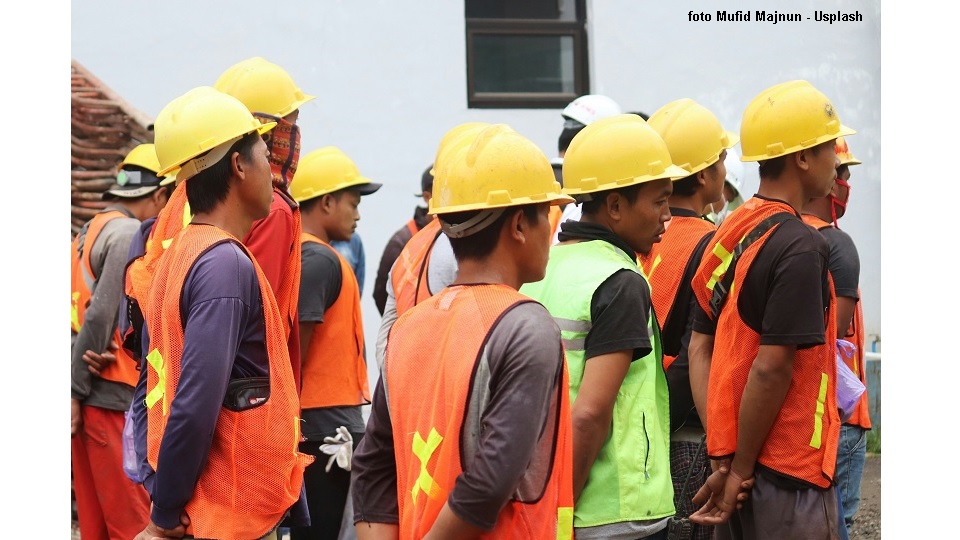
The increase in the number of workers from Asia is closely linked to the shortage of local workforce. In recent years, an increasing number of Sibiu-based companies in sectors such as construction, the hospitality industry, logistics and industrial processing have turned to non-EU employees to fill vacant positions. Certain types of work are no longer attractive to Romanian workers, especially those involving sustained physical effort or low wages. Employers have had to find alternative solutions, according to local economic sources.
The new residents of the county are gradually adapting to life in Sibiu. Many of them live in the proximity of their workplaces, and some employers offer them accommodation and integration support. However, the lack of social inclusion programs and language gaps continue to be important challenges. Representatives of local authorities have mentioned that, in the coming years, better coordination between public institutions, the business environment and non-governmental organizations is needed to facilitate the integration of these communities into Sibiu’s society.
The phenomenon is not specific to Sibiu alone. According to data released by the General Inspectorate for Immigration, the number of Asian workers legally present in Romania has been steadily increasing in recent years, exceeding 150,000 people in 2025. The largest communities come from Nepal, Sri Lanka, Bangladesh, India and the Philippines. This trend reflects a structural change on the Romanian labour market, where fewer and fewer young people choose technical professions or unskilled work, preferring emigration or better-paid jobs in other fields.